
World Rainforest Day 2026
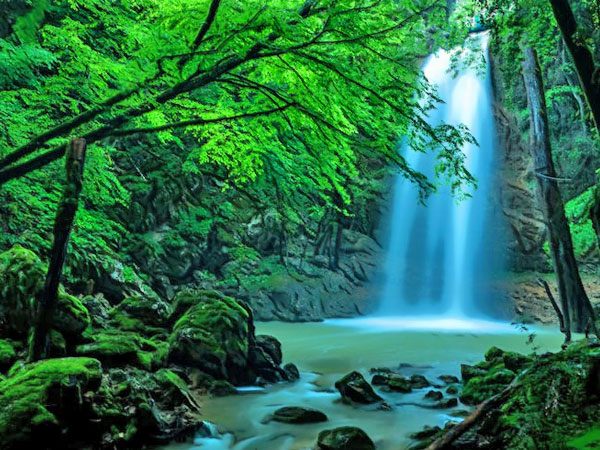 |
Rainforests are incredibly dense vegetation forming lush ecosystems characterized by continuous canopies, high humidity, and massive amounts of rainfall—typically 80 to over 400 inches annually.
Spanning every continent except Antarctica, they cover less than 3% of the planet's surface but harbor over half of the world's plant and animal species.
Rainforests are broadly divided into two main categories:
Tropical Rainforests which are located closer to the equator. They are warm and frost-free year-round with temperatures averaging 68°F to 77°F. The Amazon Basin in South America is the largest tropical rainforest, spanning 6.7 million square kilometers.
Temperate Rainforests are found in cooler, mountainous, or coastal regions at higher latitudes such as the Pacific Northwest of North America or areas in New Zealand.
The Four Layers of Life typify rainforests and feature a highly structured vertical environment, with each level supporting completely distinct life forms
The Emergent Layer consists of the tallest trees that break through the canopy, reaching heights of up to 200 feet. Inhabitants include eagles, bats, and monkeys.
The canopy is a thick, overlapping roof of leaves and branches about 100 feet up. It acts as the "heart" of the rainforest and is home to the majority of its animals, including toucans, sloths, and tree frogs.
The understory is a dark, humid environment just beneath the canopy dominated by large-leaved shrubs and woody vines. It houses jaguars, leopards, and countless insects
The forest floor is almost completely deprived of sunlight with some 2% filters through.
This damp ground is covered in quickly decomposing organic matter, teeming with fungi, insects, and burrowing animals.
The global importance and threats affecting the Rainforests act as the Earth's natural regulators, stabilizing the global climate by absorbing vast amounts of carbon dioxide and producing about 20% of the world's oxygen. They also provide vital ingredients for modern medicine and regulate global weather patterns.
Despite their critical importance, rainforests face severe ongoing threats from industrial logging, cattle ranching, and agricultural clearing.
Organizations like the Rainforest Alliance work globally to protect these ecosystems, promote sustainable farming, and support forest-dwelling communities.