
World Parkinson's Day 2018
 |
It affects all manner of people and the tragedy is that though there are management courses which include drugs there is no cure. However, it is the subject of intense study by the research community and this could change at any time.
It is named for one James Parkinson FGS (Fellow of the Geological Society of London) (April 11, 1755 – December 21, 1824) who was a British surgeon, apothecary, geologist, palaeontologist, and political activist.
He is best known for An Essay on the Shaking Palsy which he wrote in 1817. This paper was the first description of "paralysis agitans" which is the condition which ultimately became Parkinson's disease as named by Jean-Martin Charcot about 60 years later.
Parkinson describeed six individuals with symptoms of the disease in great detail reporting on three of his own patients and three others he saw in the street. He referred to the disease at that time as paralysis agitans, or "shaking palsy".
His observations distinguished between resting tremors and the tremors with motion.
He indicated that the tremors in these patients were caused by lesions in the cervical spinal cord but this finding was in error.
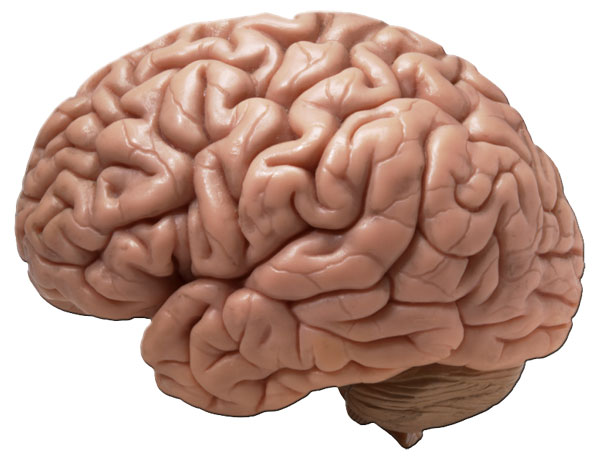
It usually affects those in middle age through the elderly and is associated with degeneration of the basal ganglia of the brain and deficiency in the neurotransmitter dopamine.
World Parkinson's Day is held each year on the anniversary of James Parkinson's birth, April 11.